《Volume 46, Issue 12》
Yuxi Wang1,3,4, Cuiyu Guo1,2,3,4 and Weimin Li1,3
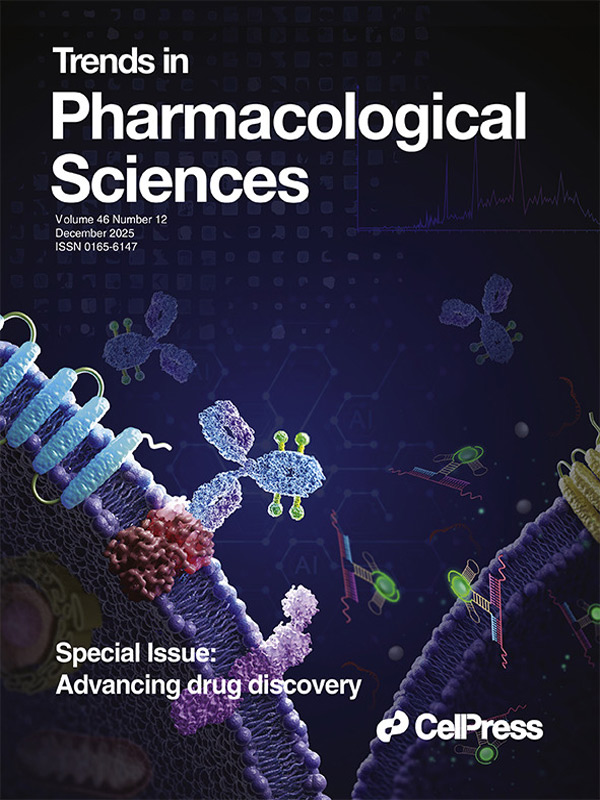
La copertina di questo numero di Trends in Pharmacological Sciences presenta il lavoro "Artificial intelligence in antibody–drug conjugate development" del Professor Li Weimin e della Ricercatrice Wang Yuxi del West China Hospital.
Contesto della Ricerca
I coniugati anticorpo-farmaco (ADC) rappresentano una modalità terapeutica antitumorale mirata di grande promessa, offrendo nuove speranze per la cura del cancro. Combinando razionalmente anticorpi, linker e payload (farmaci), gli ADC sono progettati per raggiungere stabilità nella circolazione sistemica e un rilascio specifico del farmaco nei siti tumorali, colpendo così con precisione le cellule cancerose e minimizzando il danno ai tessuti sani. Tuttavia, lo sviluppo attuale degli ADC deve affrontare molteplici sfide. Il processo di progettazione è caratterizzato da una complessità combinatoria, che richiede lo screening di numerose combinazioni di anticorpi, linker e payload; permangono preoccupazioni riguardo a potenziale tossicità ed effetti avversi; e i benefici clinici variano notevolmente tra le diverse indicazioni. Inoltre, lo sviluppo di ADC efficaci richiede un abbinamento razionale tra anticorpi, linker e payload, un processo non solo dispendioso in termini di tempo e costi, ma che si basa prevalentemente su approcci empirici di tentativi ed errori, i quali limitano gravemente il rapido progresso e l'ampia applicazione degli ADC.
Significato della Ricerca
L'avvento dell'intelligenza artificiale (IA) offre opportunità trasformative per lo sviluppo degli ADC, guidando un cambio di paradigma dall'approccio empirico per tentativi ed errori all'ingegneria a ciclo chiuso basata sui dati. I modelli di IA possono integrare dati multimodali, inclusi sequenze (per gli anticorpi), caratteristiche strutturali e simulazioni di dinamica molecolare (MD) dei componenti degli ADC. Sfruttando questi dati, l'IA può svolgere ruoli cruciali in molteplici aspetti chiave: accelerare la selezione dei bersagli identificando rapidamente i candidati più promettenti da un vasto insieme di potenziali target; ottimizzare la progettazione del coniugato attraverso la simulazione e l'analisi di varie combinazioni per identificare gli abbinamenti ottimali anticorpo-linker-payload; e prevedere le risposte dei pazienti in base alle caratteristiche individuali per consentire una terapia personalizzata. In questi modi, l'IA aumenta sostanzialmente l'efficienza e il tasso di successo dello sviluppo degli ADC, riduce i costi e offre opzioni terapeutiche più efficaci per i pazienti oncologici, con profonde implicazioni per il progresso della terapia antitumorale mirata.
Prospettive di Ricerca
Nella fase preclinica, le fonti e i tipi di dati immessi nei modelli di IA possono essere ulteriormente ampliati per includere dati a livello cellulare e da modelli animali, migliorando così l'accuratezza delle previsioni sulle prestazioni degli ADC. Nel frattempo, dovrebbero essere sviluppati algoritmi più avanzati per gestire meglio i dati biologici complessi e approfondire la nostra comprensione delle intricate interazioni tra i componenti degli ADC. Nella fase clinica, l'IA può consentire una stratificazione più precisa dei pazienti, adattando i regimi di ADC più adatti in base ai profili genomici, alle caratteristiche del microambiente tumorale e ad altri fattori, migliorando così la specificità e l'efficacia del trattamento clinico. Inoltre, la collaborazione interdisciplinare – che integri l'IA con la biotecnologia, la scienza dei materiali e altri campi – dovrebbe essere rafforzata per esplorare nuove architetture e meccanismi d'azione degli ADC, dando vita a coniugati di nuova generazione potenziati dall'IA con maggiore efficacia e minore tossicità. Tali sforzi promettono di portare nuove scoperte nella terapia del cancro e migliorare sia la sopravvivenza che la qualità della vita dei pazienti oncologici.
Concetto del Design della Copertina
Il design della copertina mira a comunicare visivamente il tema centrale di "intelligenza artificiale nello sviluppo di coniugati anticorpo-farmaco (ADC)". L'opera presenta una scena biomolecolare microscopica in cui anticorpi, molecole farmacologiche e strutture cellulari sono intrecciati, a simboleggiare le interazioni tra i componenti chiave dello sviluppo degli ADC. Visualizzando queste microstrutture, il design suggerisce il ruolo cruciale dell'intelligenza artificiale nel decifrare e ottimizzare queste complesse interazioni biomolecolari, traducendo concetti scientifici astratti in forme visive tangibili.
La copertina utilizza prevalentemente una tavolozza di colori scuri – viola profondo e nero come sfondo – creando un'atmosfera misteriosa, profonda e professionale che attira il lettore nel mondo biologico microscopico. Al contrario, le strutture molecolari sono rappresentate in una varietà di colori brillanti e vivacemente contrastanti, tra cui blu, verde, viola e rosso. Queste tonalità vivaci non solo fanno risaltare ogni struttura molecolare sullo sfondo scuro per una maggiore chiarezza visiva, ma simboleggiano anche la vitalità e lo spirito innovativo insiti nella ricerca scientifica, riflettendo al contempo la convergenza e l'interazione di diversi elementi nello sviluppo degli ADC.
Lo stile complessivo della copertina è un rendering realistico tridimensionale ad alta tecnologia. Attraverso sofisticate tecniche di modellazione 3D, gli anticorpi, le molecole farmacologiche e le strutture cellulari sono presentati con un alto grado di dettaglio realistico, offrendo forti effetti stereoscopici e realistici. Questo stile consente ai lettori di apprezzare intuitivamente la complessità e l'eleganza del mondo microscopico, incarna il rigore e la precisione dell'indagine scientifica e aggiunge fascino visivo alla copertina. In definitiva, il design della copertina ha ricevuto ampio riconoscimento sia dal professore supervisore che dai redattori della rivista ed è stato pubblicato con successo come immagine di copertina!
Anhui Province Academy of Science and Technology, No. 128,Wanshui Road, Hi-Tech Zone, Hefei City, Anhui Province, China
 +86 17354022649
 service@sondii.com


 IPv6 RETE SUPPORTATA
I nostri orari
Lun 21/11 - Mer 23/11: 9:00 - 20:00
Gio 24/11: chiuso - Buon Ringraziamento!
Venerdì 25/11: 8:00 - 22:00
Sab 26/11 - Dom 27/11: 10:00 - 21:00
(tutti gli orari sono l'ora di New York)